Flash sale: 30% off bundle

The Creator's Grind: The Brutal (But Essential) Pre-Launch Work No One Talks About
DIGITAL CREATOR
Marie A.
3/26/202612 min read


1. Featured Image And Visual Header
The pre-launch phase is rarely a sequence of inspired moments under bright lights; it is more often a series of late nights spent in solitary environments. This visual representation captures the gritty, high-contrast reality of a creator's workspace, where the mess of sketches, notes, and technical hardware mirrors the complexity of the task at hand.

Every successful launch is built upon a foundation of invisible effort. The shadows in the visual represent the months of work that the public never sees, highlighting the contrast between the unpolished "before" and the highly curated "after" that eventually reaches the market.
2. Introduction And Hook
The digital landscape is flooded with success stories that appear to happen overnight. However, these "sudden" breakthroughs are almost always the result of years of preparation. We are conditioned to see the finished product—the sleek app, the viral video, or the best-selling book—without ever witnessing the brutal grind that made it possible. This introduction aims to debunk the myth of effortless creation by exposing the invisible labor required for success.
Understanding the pre-launch grind is essential for any aspiring creator who wishes to survive the initial stages of their project. Without a realistic expectation of the workload, burnout becomes an almost certainty. This report serves as a roadmap through the dark forest of development, offering insights into the mental and physical resilience required to bring a vision to life.
2.1 The Mirage Of Instant Success
Social media algorithms prioritize the final result, creating an illusion that success is a matter of luck or a single viral moment. This mirage discourages those who are currently in the thick of the grind, making them feel as though their slow progress is a sign of failure rather than a natural part of the creative process.
2.2 Defining The Invisible Labor
Invisible labor encompasses all the tasks that do not contribute to the final aesthetic but are vital for the product's existence. This includes data cleaning, infrastructure setup, and competitive analysis—tasks that are rarely shared on Instagram but consume the majority of a creator's time and energy during the pre-launch phase.
3. Background And Context
To understand the current state of the "creator's grind," one must look at how the perception of work has changed in the era of constant connectivity. The polish of modern social media platforms effectively hides the grueling months of planning, testing, and failure. This creates a psychological gap where creators feel inadequate because their messy process does not align with the sanitized versions of success they see online.
Historically, the "dark room" of creation was a private space where an artist or engineer could fail without observation. Today, the pressure to document every step often adds an additional layer of labor, as creators feel they must "perform" their productivity. This section explores how this shift has made the pre-launch phase even more demanding by adding a layer of public expectation to an already difficult process.
3.1 The Social Media Filter Effect
The filter effect refers to the systematic removal of struggle from the public narrative of creation. When creators only post their wins, they inadvertently set an impossible standard for their peers. This culture of curated perfection makes the inevitable failures of the pre-launch phase feel like personal shortcomings rather than necessary stepping stones.
3.2 Testing And Failure In Private
True innovation requires a high volume of failure. During the pre-launch phase, creators may go through dozens of iterations that never see the light of day. This background of constant rejection and refinement is the engine of quality, yet it remains the most under-reported aspect of the creative journey.
4. Main Topic Overview
The pre-launch phase is a multi-dimensional challenge that tests both the psychological and physical limits of an individual. It is characterized by high stakes and low visibility, creating a unique stress environment. Creators must balance the need for meticulous detail with the broad vision of their goals, all while managing a growing list of technical and administrative responsibilities that have nothing to do with their original "creative" spark.
Physically, the grind often manifests as sleep deprivation, poor ergonomics, and the neglect of personal health as the launch date approaches. Psychologically, it involves managing the fear of failure and the "imposter syndrome" that arises when working on something that hasn't been validated by the market yet. This section provides an overview of how these demands interact to form the "brutal work" no one talks about.
4.1 The Psychological Weight Of Unvalidated Ideas
Working on a project for months or years without external feedback is mentally draining. Creators must maintain a high level of self-belief in a vacuum, which can lead to intense periods of doubt. This psychological weight is a primary driver of pre-launch burnout.
4.2 The Physical Toll Of The Final Push
As a launch deadline nears, the physical demands often skyrocket. Long hours at a desk or in a studio can lead to chronic fatigue and repetitive strain. Managing this physical toll is just as important as managing the project itself to ensure the creator actually survives to see the launch.
5. Key Point 1: The Research And Ideation Rabbit Hole
The first major hurdle in the pre-launch grind is the exhaustive process of validating an idea. This involves more than just thinking; it requires deep market research, competitive analysis, and the brutal honesty to kill an idea that isn't working. Creators often find themselves in a "rabbit hole" where they spend weeks researching a niche only to find it over-saturated or fundamentally flawed.
The mental toll of constant pivot decisions cannot be overstated. Each pivot feels like a loss of time and resources, yet staying the course on a bad idea is even more dangerous. This section delves into how creators navigate the uncertainty of the ideation phase and the rigorous testing required to ensure their concept is actually viable in the real world.
5.1 The Exhausting Validation Process
Validation requires stepping away from the creative "ego" and looking at data. This might involve running small-scale ads, conducting interviews, or building MVP (Minimum Viable Product) versions. It is a dry, analytical process that often contrasts sharply with the initial excitement of having a "great idea."
5.2 Deciding When To Pivot Or Persevere
One of the hardest decisions a creator faces is whether to change direction. The "sunk cost fallacy" often keeps people working on failing projects for too long. Developing the intuition to know when an idea is truly dead is a skill forged through the fires of multiple pre-launch failures.
6. Key Point 2: The Technical And Administrative Slog
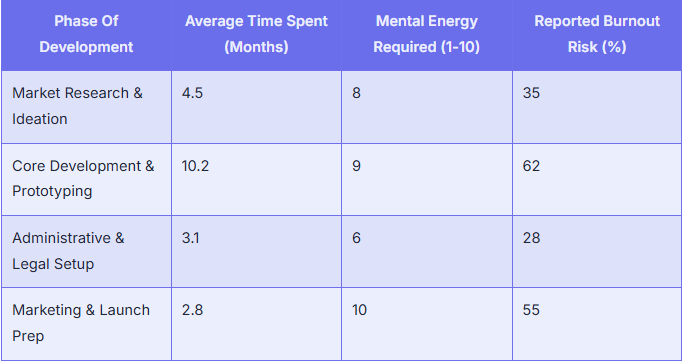
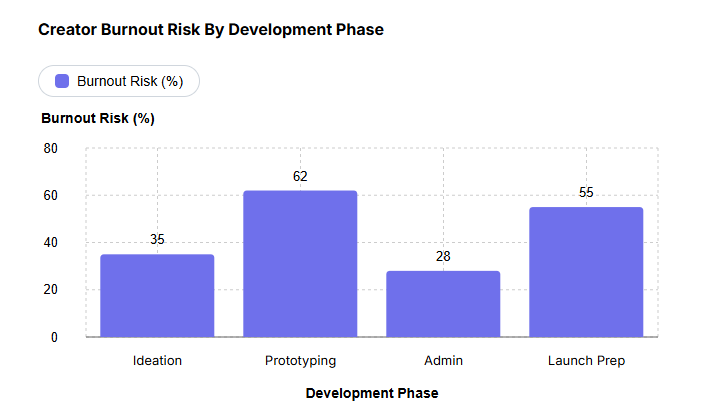
Once an idea is validated, the unglamorous work begins. This is the technical and administrative slog that often occupies 80% of the pre-launch time but represents 0% of the final "glamour." It includes setting up payment gateways, legal hurdles like trademarking and contracts, and the endless fixing of bugs that seem to appear out of nowhere.
For many creators, these tasks are outside their primary skill set. A writer might have to learn basic HTML; a designer might have to navigate complex tax codes for international sales. This section highlights the administrative burden that turns a "creator" into a "business owner" long before the first dollar is ever earned.
6.1 Managing Unglamorous Systems
Building the "plumbing" of a business is tedious but essential. This involves setting up email automation, customer support workflows, and data security measures. Without these invisible systems, the most beautiful creative product will fail to scale or function properly upon launch.
6.2 Navigating Legal And Regulatory Hurdles
Legal compliance is often the last thing a creator wants to think about, but it is the most dangerous to ignore. From GDPR compliance to copyright checks, the administrative slog includes significant time spent with documents and regulations that provide no creative satisfaction but offer necessary protection.
7. Key Point 3: The Emotional Rollercoaster Of Isolation
Working on a project in secret or in a small team creates a sense of profound isolation. During the pre-launch phase, the creator is often the only person who truly understands the vision. This lack of external validation means there is no "cheering section" to keep morale high when things inevitably go wrong.
Isolation can lead to a distorted sense of reality where small problems feel like catastrophes. Without a community or a feedback loop, creators can become lost in their own heads, over-analyzing every detail until they are paralyzed. This section explores the loneliness of the "dark room" phase and the emotional fortitude required to keep moving forward without public support.
7.1 The Loneliness Of Working In Secret
Maintaining a "stealth mode" approach can protect an idea, but it also isolates the creator from the social benefits of work. The lack of day-to-day recognition can lead to a sense of purposelessness, making it harder to maintain the discipline required for long-term projects.
7.2 Dealing With The Absence Of Validation
Humans are social creatures who crave feedback. In the pre-launch phase, the only feedback is often the creator's own critical internal voice. Learning to provide self-validation and set internal milestones is crucial for surviving the emotional highs and lows of development.
8. Supporting Examples And Insights
History is filled with creators who spent years in obscurity before their "sudden" breakthrough. Consider the story of famous authors who received dozens of rejections while working on their manuscripts for a decade, or tech founders who lived in their offices while building the first iterations of their software. These case studies serve as a reminder that the grind is not a sign of failure but a prerequisite for greatness.
In the modern era, successful YouTubers often speak about the "thousand-day rule"—the idea that it takes roughly three years of consistent, unrewarded work before a channel begins to see significant traction. These examples provide a realistic timeline for new creators and help normalize the long periods of "quiet" work that precede any major public success.
8.1 The Five Year Dark Room Strategy
Some of the world's most innovative products were developed in total isolation for years. This "dark room" strategy allows creators to focus entirely on quality without the distraction of public opinion, but it requires an extraordinary level of patience and financial planning to sustain.
8.2 Case Study: The Pivot To Success
Examining companies that began as something entirely different reveals the importance of the pre-launch pivot. Instagram started as a complex check-in app called Burbn; Slack started as a tool for an internal gaming company. Their success came from the brutal work of recognizing a failed launch and having the courage to rebuild.
10. Expert Quote And Highlight
Industry veterans often emphasize that the pre-launch phase is the ultimate filter for grit. It is during this time that the "dreamers" are separated from the "doers." Without the glamour of an audience or the incentive of revenue, only those who are truly committed to the craft find the motivation to continue through the technical glitches and administrative hurdles.
According to seasoned creators, the goal should not be to avoid the grind, but to embrace it as a form of "training." Just as an athlete trains in private for a public performance, a creator must use the pre-launch phase to sharpen their skills and build the systems that will support their future success. The grind is not an obstacle to the work; it is the work.
10.1 Insights On Maintaining Grit
"Grit isn't just about working hard; it's about working hard when no one is watching and you aren't sure if it will ever pay off." This sentiment is echoed across industries, highlighting that the internal motivation developed during the pre-launch phase is what sustains a career long after the initial launch excitement fades.
10.2 Advice From Veteran Launchers
Experienced founders recommend treating the pre-launch phase as a marathon rather than a sprint. They advise building in "rest days" and maintaining a social life to prevent the isolation from becoming toxic. The most successful creators are those who manage their energy as carefully as they manage their code or content.
11. Tips And Best Practices
Survival during the pre-launch grind requires a proactive approach to mental and physical health. It is easy to let self-care slide when a deadline is looming, but this is a short-sighted strategy that often leads to catastrophic failure just before the finish line. Implementing small, sustainable habits can make a significant difference in a creator's longevity.
Productivity is also a major concern. Without the structure of a traditional job, creators must become their own managers. This means setting realistic daily goals, using time-blocking techniques, and creating a workspace that minimizes distractions. The following strategies are recommended for maintaining balance during intense periods of work.
Set "Non-Negotiable" Rest Periods: Schedule time away from screens every single day to prevent cognitive fatigue.
Use The "80/20 Rule" For Tasks: Focus on the 20% of tasks that will drive 80% of your launch success, and outsource or delay the rest.
Find A "Peer Accountability" Partner: Share your progress with another creator who understands the grind to combat isolation.
Document The Process For Yourself: Keep a private journal of wins and losses to remind yourself how far you have come when you feel stuck.
12. Common Mistakes And Myths
The most dangerous mistake a creator can make is comparing their "behind-the-scenes" to someone else's "highlight reel." When you see a competitor's successful launch, you are seeing the tip of an iceberg. You don't see the thousands of hours of frustration that preceded it. This comparison leads to premature quitting and a sense of inadequacy.
Another common myth is that a "perfect" launch is possible. In reality, every launch has bugs, negative feedback, or technical issues. The goal of the pre-launch grind is not to eliminate these problems entirely, but to build a product that is resilient enough to survive them. Over-polishing is a form of procrastination that prevents creators from ever actually releasing their work.
12.1 The Perfectionism Trap
Perfectionism is often a mask for the fear of being judged. By spending an extra six months "tweaking" small details, creators delay the moment of truth. Learning to ship something that is "good enough" is a vital skill that prevents the pre-launch phase from becoming an eternal state of development.
12.2 The Myth Of The "Big Bang" Launch
Many creators believe they need a massive, explosive launch to succeed. In truth, most successful products grow through a series of "soft" launches and gradual improvements. Focusing too much on the "Big Day" can lead to immense stress and a lack of preparation for the long-term work that follows.
13. Summary And Key Takeaways
The creator's grind is a necessary, albeit difficult, foundation for long-term success. It is a period of intense growth where the most important work happens away from the public eye. By acknowledging the reality of the pre-launch phase—including the research rabbit holes, the administrative slog, and the emotional isolation—creators can better prepare themselves for the journey ahead.
Ultimately, the grind is what builds the resilience and systems necessary to handle the challenges of a public-facing career. Those who survive the pre-launch phase are better equipped to handle criticism, manage growth, and continue innovating. The invisible labor of today is what creates the "overnight success" of tomorrow.
13.1 Resilience Over Results
Focusing on building resilience during the pre-launch phase is more valuable than focusing on the initial results of the launch. Results can be unpredictable, but the discipline and skills gained during the grind are permanent assets that a creator carries to their next project.
13.2 The Grind As A Competitive Advantage
Because the pre-launch work is so brutal, most people will quit before they finish. Simply by persevering through the unglamorous tasks and the technical hurdles, you are already ahead of the majority of your competition. The grind is the barrier to entry that protects the value of your work.
14. Call To Action
Are you currently in the middle of your own pre-launch grind? Don't suffer in silence. Sharing your struggles is the first step toward building a community that understands the reality of creation. We encourage you to reach out to fellow creators or join a supportive network where you can discuss the unpolished side of your journey.
If you found this report insightful, consider sharing it with someone who is currently in the "dark room" phase of their project. Let them know that their exhaustion is normal and that the work they are doing matters. Together, we can change the narrative around success and start talking about the brutal work that truly makes it possible.
14.1 Share Your Story
We want to hear about the most difficult part of your pre-launch process. Was it a technical bug that wouldn't die, or the mental strain of isolation? Reach out via our social channels to join the conversation and help us pull back the curtain on the creator's grind.
14.2 Join Our Creator Community
For more deep dives into the reality of the creator economy, subscribe to our newsletter at https://www.thecreatorsgrind.com/join. Gain access to exclusive interviews and resources designed to help you survive the pre-launch phase and beyond.
15. Thank You
Thank you for taking the time to read this exploration of the creator's journey. We understand that your time is valuable, especially when you are in the midst of building something new. We hope these insights provide both comfort and practical strategies to help you navigate the challenges ahead.
The path of the creator is rarely easy, but it is one of the most rewarding endeavors one can undertake. Stay focused, stay resilient, and remember that the invisible work you are doing today is the foundation for everything you will achieve tomorrow. Good luck with your launch.
15.1 A Final Note Of Encouragement
Remember that every person you admire was once exactly where you are now—struggling with a bug, doubting their idea, or feeling isolated. You are not alone in the grind, and your persistence is your greatest asset. Keep pushing forward.
15.2 Gratitude For Your Time
We appreciate your engagement with this content. Our goal is to provide honest, actionable information that helps creators thrive in a world of curated perfection. Thank you for being a part of this mission.
Become part of the movement. Shop our collection and join the community.
9thFire
“Awakening the Soul, Illuminating the Path”
Contact
Newsletter
support@9thfire.com
623-565-8487
9thfire © 2026. All rights reserved.