Flash sale: 30% off bundle

Precious Metals Investing: A Complete Guide to Pros, Cons, Risks, and Side Hustle Profits
For centuries, precious metals have captivated humanity, serving as a universal symbol of wealth, power, and security.
INVEST
Marie A.
5/23/20269 min read
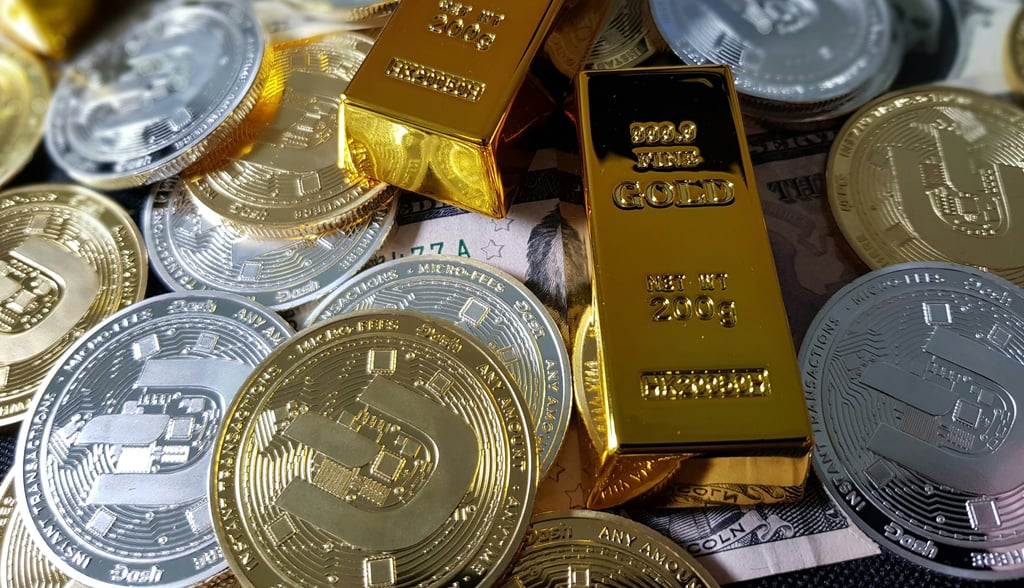
For centuries, precious metals have captivated humanity, serving as a universal symbol of wealth, power, and security. From the ancient gold coins of Lydia to the silver bullion bars stacked in modern vaults, these tangible assets have survived empires, economic collapses, and technological revolutions. Today, they remain a cornerstone for investors seeking stability in an increasingly volatile financial world. Whether you are a seasoned trader looking to diversify your portfolio or a beginner hoping to build a lucrative side hustle buying and selling coins, understanding the full picture of precious metals investing is essential.
This guide will walk you through everything you need to know: what precious metals are, their pros and cons, the hidden risks and costs, how retirement accounts work in Western vs. other countries, and a practical step-by-step plan to generate income as a precious metals side hustler. By the end, you will have a clear roadmap to navigate this glittering but complex market.
What Are Precious Metals?
Precious metals are rare, naturally occurring metallic elements that hold high economic value due to their scarcity, industrial utility, and historical role as currency. The four most actively traded precious metals are Gold, Silver, Platinum, and Palladium. Each has distinct characteristics and market drivers.
Investors can gain exposure to these metals through several forms: Physical bullion (bars and coins), Exchange-Traded Funds (ETFs) that track metal prices, mining company stocks, and futures contracts. Physical metals are the most direct way to own the asset, but they come with unique storage and liquidity considerations that ETFs and stocks do not.
In the global economy, precious metals serve as a hedge against inflation, a safe haven during geopolitical crises, and a crucial component in electronics and catalytic converters. Their dual role as both an industrial commodity and a monetary asset makes their pricing complex and fascinating.
Pros of Investing in Precious Metals
Inflation Hedge and Store of Value
One of the strongest arguments for precious metals is their ability to preserve purchasing power over long periods. Unlike paper currencies, which central banks can print indefinitely, the supply of gold and silver is finite. Historically, gold has maintained its value against inflation, often rising when the cost of living surges.
Portfolio Diversification
Precious metals frequently have a low or negative correlation with stocks and bonds. This means when equity markets tumble, gold and silver prices often rise, providing a crucial buffer for your overall portfolio. Adding a 5–10% allocation to precious metals can significantly reduce portfolio volatility.
Global Liquidity and Tangible Asset
Gold is one of the most liquid assets on the planet. You can sell a gold coin in nearly any major city worldwide and receive local currency. Unlike a house or a stock certificate, physical metal cannot be hacked, frozen by a bank, or rendered worthless by a company going bankrupt.
Other advantages include: no credit risk (you own the asset directly), privacy of ownership, and a track record spanning thousands of years as a reliable store of wealth.
Cons of Investing in Precious Metals
No Passive Income
Unlike dividend-paying stocks or rental real estate, physical gold and silver generate no interest, dividends, or rental income. Your returns depend entirely on price appreciation. Holding bars for decades may preserve wealth but rarely produces cash flow unless sold.
Price Volatility and Market Timing Risk
While precious metals are considered stable over the long term, short-term price swings can be brutal. Silver, in particular, often experiences double-digit percentage moves within weeks. If you need to sell during a market dip, you could face significant losses.
Liquidity Challenges with Physical Forms
Selling physical metals is not as instant as clicking a sell button on a stock app. You must find a reputable dealer, negotiate a price based on the spot price and dealer spread, and often pay shipping or meet in person. During a market panic, dealers may offer lower premiums or delay purchases.
Speculative bubbles also pose a risk. When hype drives prices beyond fundamental value, investors who buy at the peak may face long periods of underperformance.
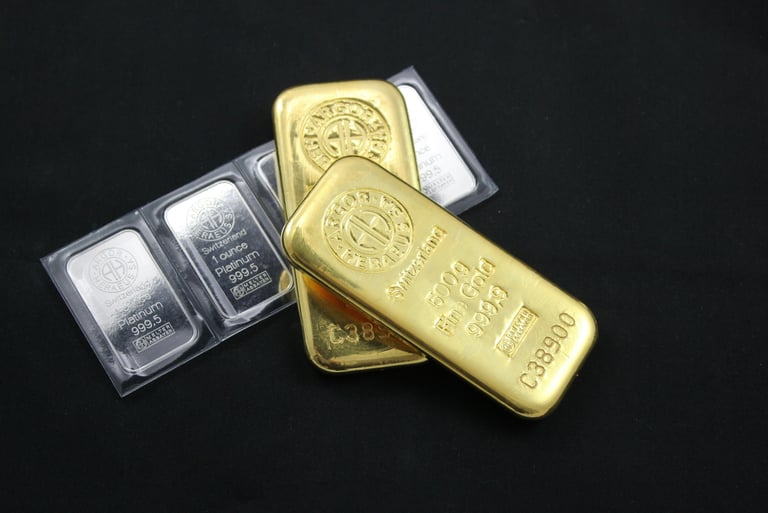
Investing Risks You Must Know
Market Risk and Economic Cycles
The price of precious metals is heavily influenced by macroeconomic factors: interest rates, US dollar strength, inflation expectations, and central bank policies. For example, when the Federal Reserve raises interest rates, gold often falls because the opportunity cost of holding non-yielding assets increases. During economic booms, industrial metals like platinum and palladium may outperform gold, but during recessions, all metals can decline.
Counterparty Risk
This risk applies when you invest through intermediaries such as ETFs, mining stocks, or unallocated accounts. If the fund manager or bank goes bankrupt, you may lose your investment. With physical metals in your direct possession, counterparty risk is nearly eliminated, but it is replaced by storage and security risks.
Geopolitical Factors and Price Manipulation
Wars, sanctions, and trade disputes can cause sudden spikes in precious metal prices as investors flee to safety. However, some argue that the market has been historically manipulated by large banks through paper gold and silver derivatives. While the impact of manipulation is debated, it creates additional uncertainty for retail investors.
Counterfeiting is another real concern, especially for high-premium coins. Fake gold bars coated in tungsten have been found in the market, making it critical to buy from reputable sources and verify authenticity.
Holding Inventory: Storage & Security Considerations
Home Storage: Convenience vs. Risk
Keeping precious metals at home seems easiest, but it introduces significant risks. A fire, flood, or burglary can wipe out your holdings. If you choose home storage, invest in a high-quality, fireproof safe that is bolted to the floor. Never announce your holdings publicly and consider hiding the safe in an inconspicuous location.
Bank Vaults and Third-Party Depositories
Most serious investors use bank safe deposit boxes or specialized precious metals depositories like Brink's or Delaware Depository. These offer high security, insurance coverage, and professional handling. However, bank vaults may have restricted hours, limited access during crises, and fees in the range of $50–$300 annually.
Insurance and Logistical Costs
Insuring your metals is essential when storing outside a fully insured depository. Homeowner's insurance typically caps coverage for valuables at $1,000–$2,000, so you need a separate rider. Annual premiums for precious metals insurance are usually 0.5–1% of the metal's value. Transporting bullion also carries costs: shipping fully insured via Brinks or other armored carriers can cost $50–$200 depending on weight and distance.
Fees & Costs Involved
Dealer Premiums ("Spread")
When you buy physical bullion, you pay a premium above the spot price. Coins like the American Gold Eagle or Canadian Maple Leaf carry premiums of 3–6% over spot, while generic bars may have lower premiums of 1–2%. When you sell, dealers typically offer a price below spot—the bid-ask spread. This combined spread can easily cost you 5–10% round-trip.
Storage and Insurance Fees
As mentioned, storage in a depository costs roughly 0.5–1% of your metal's value per year. Insurance adds another 0.5–1%. Over a decade, these fees erode a meaningful portion of your returns.
Transaction and Fund Costs
If you use ETFs like GLD or SLV, management expense ratios (MERs) range from 0.25–0.40% annually. While lower than physical storage, ETFs are still paper assets and come with counterparty risk. Mining stock investments incur brokerage commissions and management fees if using mutual funds. Account maintenance fees for precious metals IRAs can run $50–$300 per year.
Precious Metals in Retirement Accounts: Western Countries
United States: Gold IRA Rules
In the US, investors can hold physical precious metals within a self-directed Individual Retirement Account (IRA). The IRS only allows specific coins and bars, including American Gold Eagles, Canadian Maple Leafs, and certain gold bars meeting 99.5% purity standards. You must work with an IRS-approved custodian who handles storage (often at Delaware Depository or Brink's) and ensures compliance.
Contributions can be tax-deductible (Traditional Gold IRA) or tax-free on withdrawal (Roth Gold IRA). Withdrawal rules mirror standard IRAs: penalties apply before age 59½, and required minimum distributions (RMDs) begin at 73. Gold IRAs offer diversification within a tax-advantaged wrapper but come with setup fees, annual fees, and higher spreads on metals.
United Kingdom: SIPP and Precious Metals
UK investors can include precious metals in a Self-Invested Personal Pension (SIPP). The British government permits physical gold and silver held by a SIPP only if they are stored by an approved depository. The rules are stricter than in the US: most gold coins are allowed, but silver must be 99.9% pure. Metal held in a SIPP is exempt from Capital Gains Tax.
Canada and Australia
Canadian investors can hold precious metals in a Registered Retirement Savings Plan (RRSP) or Tax-Free Savings Account (TFSA). The rules mirror Gold IRAs: specific coin eligibility and third-party storage required. Australia's Self-Managed Super Fund (SMSF) system likewise allows direct ownership of gold and silver bullion, provided the metal is stored separately from the member's personal assets and meets purity standards.
Precious Metals Investing in Other Countries
Asia: India and China
In India, gold is culturally and religiously significant, often held as jewelry or coins. There is no formal Gold IRA system, but investors can buy gold via sovereign gold bonds, digital gold platforms, or Exchange-Traded Funds (ETFs). The government imposes an import duty of 15% on physical gold imports, making local ETFs more cost-effective. China's regulations are more restrictive; individuals are limited to $50,000 annual foreign exchange for gold purchases, and many prefer gold ETFs listed on the Shanghai Stock Exchange.
Middle East and Africa
The Dubai Gold Souk is a legendary market where individuals buy and sell gold with no VAT on bullion (only on jewelry). Many Middle Eastern investors store gold in Dubai's free trade zone vaults for security. In South Africa, gold and platinum are mined domestically, and investors can purchase Krugerrand coins with relatively low premiums, though recent regulations have tightened anti-money laundering checks.
Latin America
Countries like Argentina and Venezuela have a long history of using gold as a safe haven against hyperinflation. Local investors buy foreign minted coins (American Eagles, Maple Leafs) due to a lack of trusted domestic alternatives. However, import restrictions and high premium markups are common. Gold accumulation accounts offered by banks are becoming more popular in Brazil and Mexico.
How to Make Money: Buying & Selling as a Side Hustle
Flip Coins and Bars
The simplest strategy is to buy at a low premium and sell at a higher premium or at a future spot price increase. Start by focusing on high-liquidity coins like the American Gold Eagle or Silver Maple Leaf. Buy them when premiums dip (typically during market selloffs) and sell during a spike in demand. Websites like https://www.kitco.com track live premiums and spot prices.
Sell on Online Marketplaces
eBay, Craigslist, and dedicated bullion forums (e.g., r/Pmsforsale on Reddit) allow you to sell directly to other collectors, bypassing dealer spreads. You can often achieve 5–10% higher sale prices than selling to a dealer. Be extremely cautious: only accept payments from verified buyers, ship fully insured, and use tracking. Understand that marketplaces charge fees (eBay's final value fee is around 10–15% for collectibles).
Build a Local Network
Visit local coin shops, pawn shops, and estate sales. You may find below-market deals from people who need quick cash. With knowledge, you can buy silver at $1–$2 above spot and resell at $3–$5 above spot. This side hustle requires patience, authentication skills, and a reliable buyer list. Always keep a magnet, scale, and Sigma Metalytics analyzer to verify authenticity.
You can also offer a "storage-side hustle": many people own gold but dread selling it. Offer to buy small lots at fair prices, build inventory, and then sell in bulk to a wholesale dealer for a spread.
Practical Tips & Examples for Beginners
Start Small and Scale Slowly
Begin with a budget of $500–$1,000 and buy only one type of coin or bar you research thoroughly. Learn to recognize fakes by weight, diameter, and specific gravity. Use the "ping test" for gold coins (a distinct ring) and a rare earth magnet for silver (silver is not magnetic).
Track Spot Prices Religiously
Watch the London Fix and COMEX futures daily. Know that precious metals often move inversely to the US dollar. When the dollar weakens, gold and silver rise. Use charts to identify support and resistance levels. Set alerts on your phone for price drops that allow you to buy at a discount.
Build Relationships with Dealers
Visit two or three local coin shops and explain you are a serious buyer. Established dealers may offer "wholesale" prices for consistent cash purchases. Ask if they have "secondary market" coins (pre-owned, but verified) which come at lower premiums. Avoid buying from internet-only dealers who charge high shipping and handling fees.
One Practical Example
Imagine you buy a $20 Liberty gold coin (gold content about 0.9675 oz) at spot price plus 5% premium. Price: spot = $2,000/oz. Your cost = $1,935 + $96.75 = $2,031.75. You hold it for one year, and spot rises to $2,200. Selling to a dealer might net 97% of spot = $2,134. Your profit: $102.25 (assuming no storage fees). That's a 5% return in a year, plus you held a physical asset with no counterparty risk.
Conclusion
Precious metals offer a unique combination of wealth preservation and profit potential, but they are not a simple or risk-free asset. The advantages of inflation hedging, diversification, and tangible security are balanced by risks of volatility, storage complexities, and fees that can eat into returns. Whether you are adding gold to your retirement account through a Gold IRA or launching a side hustle flipping silver coins, success requires education, vigilance, and realistic expectations.
The most successful precious metals investors approach it as a long-term strategy: hold a core position for stability and protection, and actively trade only a small portion you are prepared to lose. By understanding the costs, risks, and opportunities outlined here, you are far better equipped than the average retail investor.
Call to Action
Now that you understand the complete landscape of precious metals investing, it is time to take your first step. Start by researching one reliable dealer in your area or online. Open a free account at Kitco or JM Bullion to track prices. Set a small budget—perhaps $200–$500—and buy a silver coin or a 1/10 oz gold coin.
Experience the feeling of holding real money in your hands. But before you commit significant capital, consult with a fiduciary financial advisor who understands both precious metals and your overall financial goals.
Whether you aim to shield your savings from inflation or build a profitable side hustle, the metal market is waiting. Begin your journey today.
Quick Quote:
“The fire inside you was never meant to stay small. Unlock your transformation with 9thFire Shop!
9thFire
“Awakening the Soul, Illuminating the Path”
Contact
Newsletter
support@9thfire.com
623-565-8487
9thfire © 2026. All rights reserved.